
✍️ By the Penida Island Team — local guides based on Nusa Penida · 🗓️ Last updated: November 2026 · ⏱️ ~11 min read
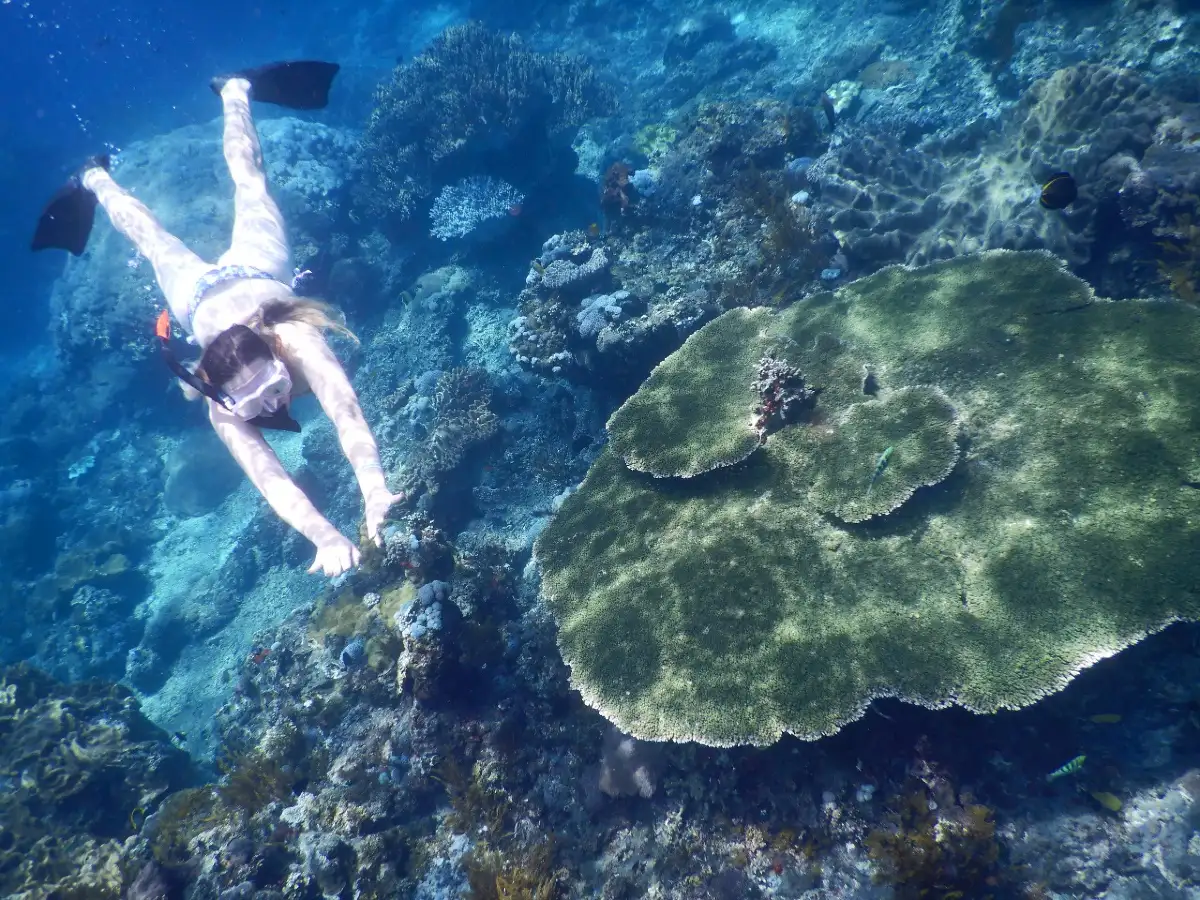
Somewhere off the southwest tip of Nusa Penida, the boat engine cuts, the anchor goes down, and within a minute a shape the size of a small car glides out of the blue beneath you — wingspan three, four, even four and a half metres, mouth open, completely uninterested in you. This is Manta Point, one of the most reliable places in the world to share the water with reef manta rays, and it happens on a half-day boat trip from the island.
We are the Penida Island Team, and several of us started out on these boats as deckhands and snorkel guides; the manta trip is still our favourite day of work. It is also the trip where planning matters most: the crossing is open ocean, the site has real conditions, and the mantas deserve to be met on their terms. This guide covers the animal itself, how a trip actually runs, what it should cost, when to go, and the code of conduct that keeps both you and the mantas safe.
📋 Manta Point at a Glance
| ❓ | ℹ️ Details |
|---|---|
| 📍 Location | Open water off Nusa Penida’s southwest coast, at a natural manta cleaning station. |
| 🚤 Access | Boat only — around 45–60 minutes from the Banah Nyuh / Toyapakeh harbours. |
| 💵 Cost | Shared trips around IDR 300,000–500,000 per person (≈ US$19–31); private boats around IDR 1.5–3 million (≈ US$95–190). |
| ⏰ Best time | Sightings likely year-round; the calmest sea and easiest crossing run April–October. |
| 🥾 Difficulty | Easy to moderate — no certification needed, but you should be comfortable in open water. |
| 🍽️ Facilities | None on site — everything happens from the boat; use toilets and shops at the harbour first. |
🐠 Meet the reef manta
The rays you meet here are reef mantas, Mobula alfredi, and the first thing to unlearn is the word “ray” as a warning. Mantas have no stinging barb and no interest in people; they are filter feeders, planking through the water with mouths open to sieve plankton — tiny drifting organisms — out of the sea. Their wingspans here commonly run three to four and a half metres, and watching one fold and unfold those wings just above your head is the reason people rearrange entire Bali itineraries.
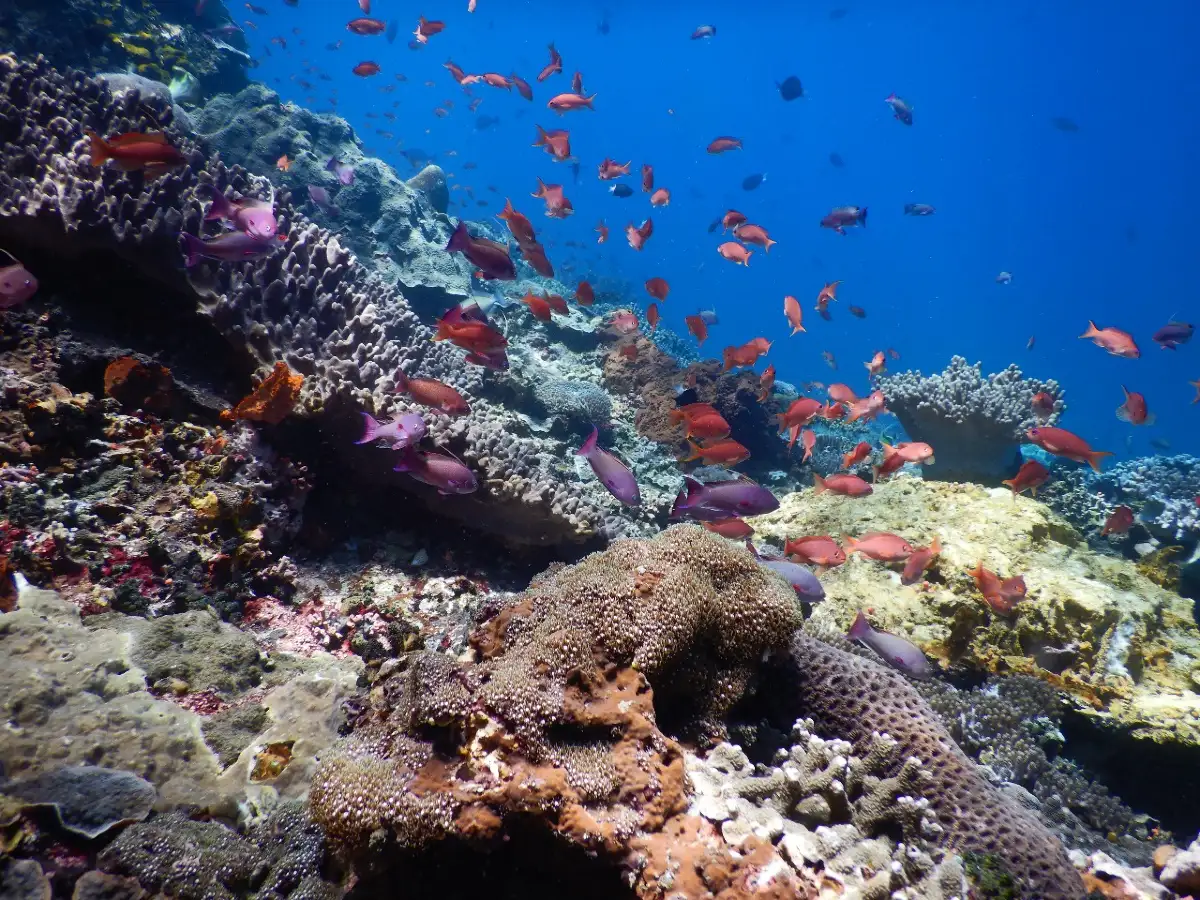
Manta Point works because of a cleaning station: a patch of reef where small cleaner wrasse set up shop, picking parasites and dead skin off larger fish. Mantas arrive at the station like cars at a car wash, slow down, and hold nearly still in the current while the little fish work over their wings, gills and tails. A single manta may circle the station for an hour; several often queue together. Because the food and the service are both reliably here, sightings are likely year-round — which is rare anywhere in the manta world.
They are also animals under pressure. Reef mantas are listed as vulnerable to extinction on the IUCN Red List, threatened by fishing and by demand for their gill plates, and their slow reproduction means populations recover slowly. The Manta Trust is the leading research organization working on their protection, and its research underpins much of the code of conduct below.
🗺️ How a manta snorkeling trip works
Almost everyone books a shared “open trip” the day before: you confirm a morning pickup, meet the boat at Banah Nyuh or Toyapakeh harbour, and push off shortly after breakfast. After a short briefing on the boat — how to enter the water, what the guides’ signals mean, how to behave around the rays — the ride to Manta Point takes around 45–60 minutes across open water. Sit towards the back if the sea looks lumpy, and take a seasickness tablet before you board if you are prone; the crossing is the hardest part of the day for many guests.
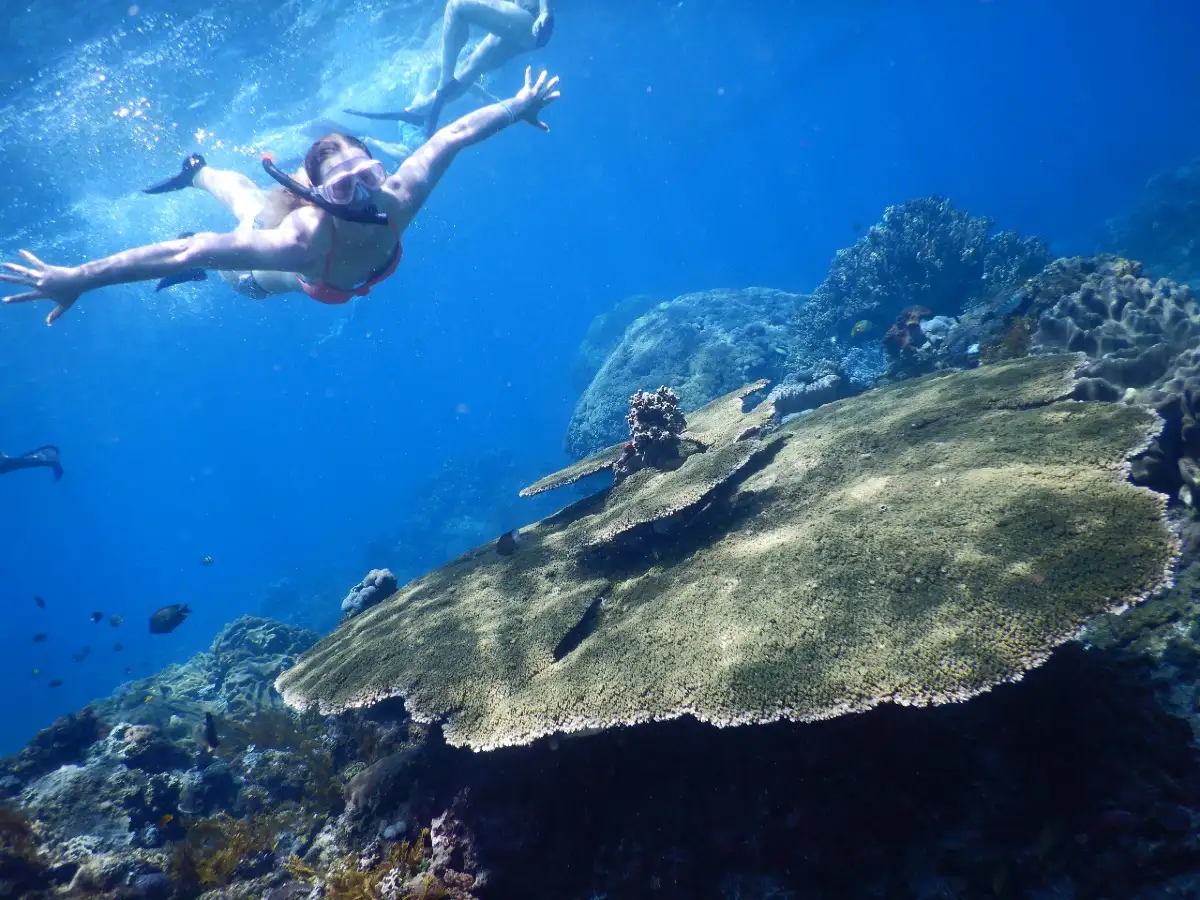
At the site, the crew drifts among the other boats, watching for wings below. When mantas appear, your guide slips into the water first, finds them, and calls the group in quietly from the side of the boat. You float at the surface while the rays cruise beneath and sometimes directly alongside you — they often rise to eye level, since mantas are curious and will check out floating swimmers. Expect roughly 20–30 minutes in the water per stop, with the guide beside you the whole time.
Most shared trips include four or five stops in the day: Manta Point first, then reef stops on the calmer northwest coast on the way home — typically places like Gamat Bay and Toyapakeh — with lunch or snacks on board between swims. You are usually back at the harbour by early afternoon, in time for a late lunch and still enough day left for a beach.
💡 Local tip: Take the earliest departure you can. The sea is calmest in the morning, the light on the water is better, and the first boats at the cleaning station get the cleanest water before a dozen hulls stir it up.
💵 What tours cost and how to choose an operator
Pricing is straightforward. A shared group trip with four or five snorkeling stops runs around IDR 300,000–500,000 per person (≈ US$19–31), with manta trips at the top of that range. A private boat costs around IDR 1.5–3 million (≈ US$95–190) for the whole vessel — worth it for families or groups of four or more who want their own schedule. Full-day packages that include the fast boat from Bali cost more again. Gear, guides and life jackets are normally included; lunch varies by operator. Fees, schedules and conditions change frequently on Nusa Penida — treat every price here as an indication and double-check locally on the day.
More important than the price tag is how an operator treats the animals. Before you pay, ask three questions: Does a guide swim in the water with guests? Is there a briefing about manta conduct? Do you touch or feed the rays? Good operators answer confidently: yes, yes, and never. Responsible crews follow the guidelines developed by researchers at the Manta Trust — no touching, no chasing, no feeding — and keep groups small enough that every guest hears the briefing.
Treat a discount as a warning sign. If a boat promises “guaranteed” mantas, lets thirty people in the water at once, or hands you a manta wing to hold for a photo, book elsewhere. The bay is full of operators; your money is your vote.
⏰ Best season and sea conditions
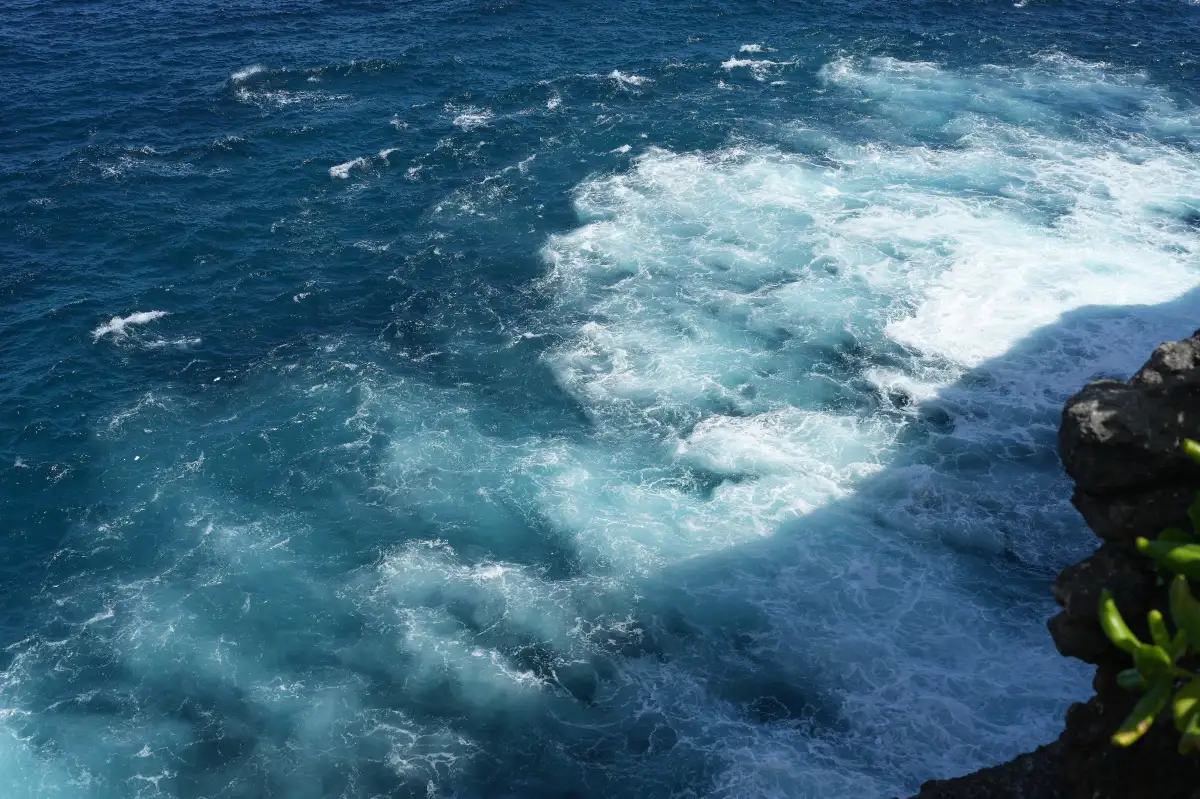
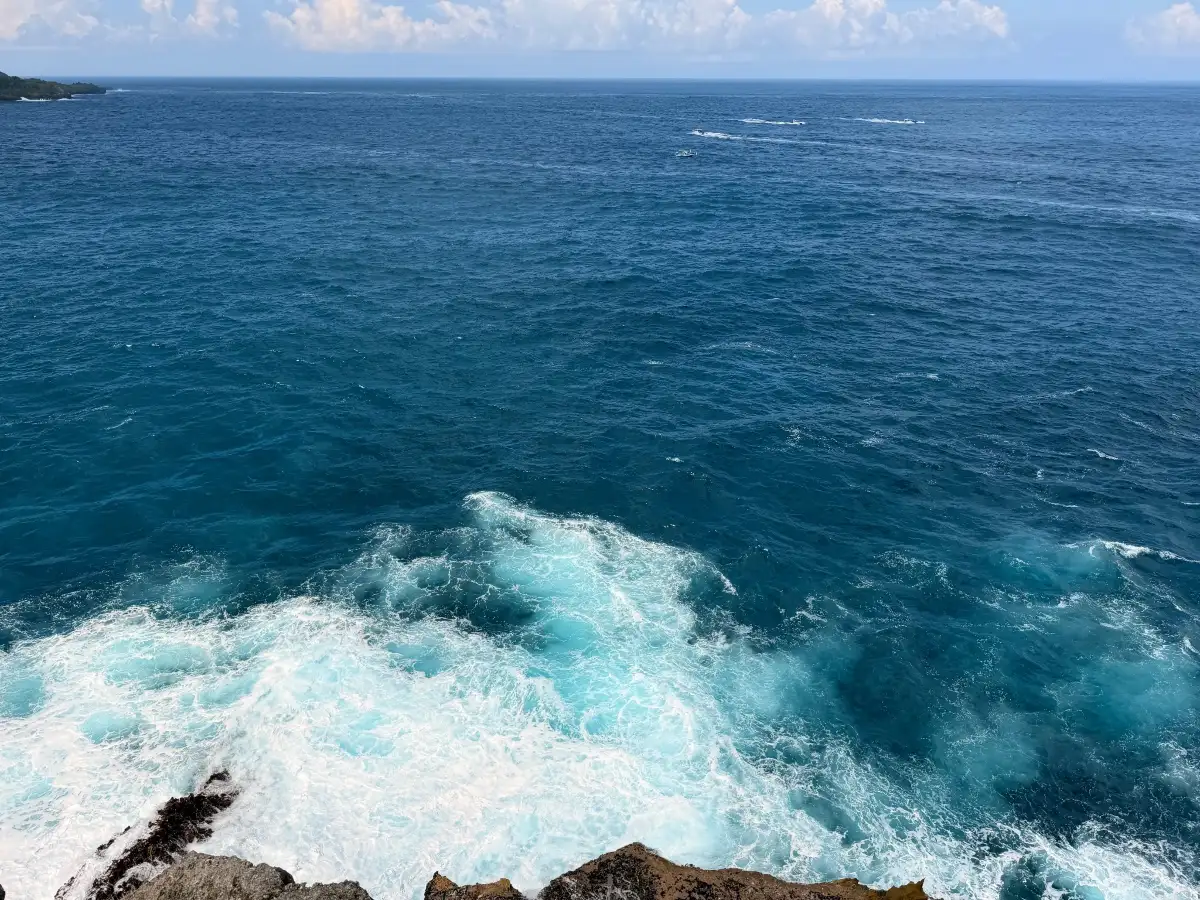
Here is the good news: because the mantas come to the cleaning station year-round, there is no true “manta season” — guests swim with them in every month. What changes through the year is the sea. The dry season, April to October, brings the calmest crossings, the most reliable departures and the easiest surface conditions; it is the window we recommend for nervous swimmers and young families. The wet season, November to March, still produces plenty of manta days, but the ocean is livelier: crossings take longer and feel rougher, and trips are occasionally postponed or turned back when swell builds.
Do not be alarmed if the water at Manta Point looks greenish rather than postcard-blue. The same plankton that feeds the mantas clouds the water — visibility at the site is famously variable, swinging from milky to surprisingly clear within a single morning. You are not there for the scenery below; you are there because the buffet is good.
⚠️ Safety first: Manta Point is an open-ocean site with no shore, no shelter and no lifeguard. Wear the life jacket if you are a weak swimmer, stay with your group and guide, follow the crew’s calls about swell and current, and accept it gracefully if the boat turns back — the sea decides, not the schedule.
🤿 Snorkeling or diving: which is right for you
Snorkeling is how the overwhelming majority of visitors meet the mantas, and there is no shame in it — much of the action happens at or near the surface, where mantas feed and where cleaner wrasse sometimes work on rays hovering in shallow water. You need no certification, no experience beyond basic comfort in the sea, and the guide handles everything else. If you have never snorkeled in open water before, tell the crew; they will keep you closest to the boat.
Diving adds a different dimension. Certified divers can drop to the cleaning station itself and watch from the reef as mantas hover motionless overhead for minutes at a time — arguably the more spectacular behaviour, seen from the fish’s eye view. Dive shops on the island run dedicated manta dives when conditions allow, and combine them with drift dives over the north-coast reefs. Freediving has also taken off here; on flat days you will see freedivers dropping down the side of the cleaning station for patient, breath-hold encounters.
Our advice: first visit, snorkel. If the mantas hook you the way they hook most people, come back for the dive — the station rewards repeat visits and a calm, competent presence in the water.
✅ The manta code of conduct
Every encounter should follow the same simple rules. They protect the mantas — a stressed manta simply leaves, and repeated harassment can push resident animals away from a station — and, honestly, they get you better sightings too.
- Enter quietly. Slip in off the side of the boat without splashing, and put your mask in the water immediately.
- Keep 3–4 metres distance. Let the manta decide how close it comes; they frequently approach curious, calm swimmers on their own.
- Never touch a manta. Contact rubs off the protective mucus coating on their skin and leaves them open to infection.
- Never chase or block a manta. Stay off its flight path — do not cut across a gliding ray or corner it against the surface.
- No flash photography. Sudden bright light startles them; shoot natural light and let the guide position you.
- Stay with your group and guide. Open water, currents and boat traffic make drifting a real risk, not a hypothetical one.
- Leave nothing behind. No litter, no feeding the fish, and choose reef-safe sunscreen before you board.
👨👩👧👦 Combining Manta Point with Crystal Bay and Gamat Bay
A manta trip already tastes like a west-coast sampler: most boats finish the day over the reefs of the calm northwest, and two stops deserve your attention. The first is Crystal Bay, the most sheltered swimmable beach on this side of the island — the perfect soft landing after a morning in open water, with shade trees, warungs and the island’s most reliable sunset if you linger.
The second is the turtle territory: Gamat Bay and Toyapakeh, where a shallow coral plateau and a drop-off wall deliver turtles, clouds of reef fish and, in season, a chance of mola mola for divers. The natural rhythm for a perfect day is the boat trip through the middle, then one of these two for the afternoon — a slow beach for families, or one more snorkel for the reef-obsessed. Keep the day’s hardest activity in the morning, when both the sea and you are at your freshest.
❓ Frequently Asked Questions
Are manta rays dangerous?
No. Reef mantas have no stinging barb, no teeth of concern and no interest in people — they are filter feeders that dine on plankton, not fish or swimmers. A manta gliding towards you is investigating, not attacking. The genuine risks on a manta trip are environmental: boat traffic, current and swell in open water, which is exactly why you stay with your guide and follow the crew’s instructions.
When is manta season in Nusa Penida?
Mantas are seen at Manta Point year-round, because the cleaning station and food supply keep drawing them in — there is no closed season. What varies is the sea state: April to October brings the calmest crossings and the most comfortable trips, while November to March can be choppier with occasional cancelled departures. Within any day, morning is the calmest and clearest window.
How much does a manta snorkeling tour cost?
A shared open trip with four or five snorkeling stops runs around IDR 300,000–500,000 per person (≈ US$19–31), with manta trips at the top of the range. A private boat costs roughly IDR 1.5–3 million (≈ US$95–190) for the whole boat, and full-day packages that start from Bali cost more. Gear and guides are usually included; prices change often, so confirm locally.
Can you see mantas without a tour?
Practically, no. Manta Point lies 45–60 minutes offshore in open ocean with no land access, and mantas are not a shore-snorkeling sight anywhere on the island. The occasional manta passes by dive sites and boat stops, but the only dependable way to meet them is a dedicated boat trip — shared, private, snorkeling or diving — from Banah Nyuh or Toyapakeh harbour.
Do I need to be a strong swimmer?
You need to be comfortable in open water, not a strong swimmer. You float at the surface while the mantas move beneath you, a guide stays beside you the whole time, and life jackets are available and encouraged. Tell the crew about your confidence level before the briefing; they will position you near the boat and enter the water with you first.
🏁 Final thoughts
Swimming with a manta is one of those rare experiences that exceeds the photos: silent, enormous, gentle, and gone again in a beat of three-metre wings. Nusa Penida offers it reliably, affordably and — if you choose your operator well — ethically, on a half-day trip that still leaves you an afternoon on the beach.
Go early, go with a crew that respects the animals, and follow the code of conduct to the letter; the mantas will do the rest. When you are ready to plan the water days around it, our guides below cover the reefs, the beaches and everything in between.
🔗 Related Nusa Penida Guides
- 🌅 Crystal Bay, Nusa Penida: The Snorkeling & Sunset Guide — calm swimming and the island’s best sunset after your trip.
- 🐢 Gamat Bay & Toyapakeh Snorkeling, Nusa Penida — the coral coast where most manta trips finish the day.
- 💎 Diamond Beach & Atuh Beach, Nusa Penida — the east coast’s twin coves for your non-boat day.