
✍️ By the Penida Island Team — local guides based on Nusa Penida · 🗓️ Last updated: November 2026 · ⏱️ ~12 min read
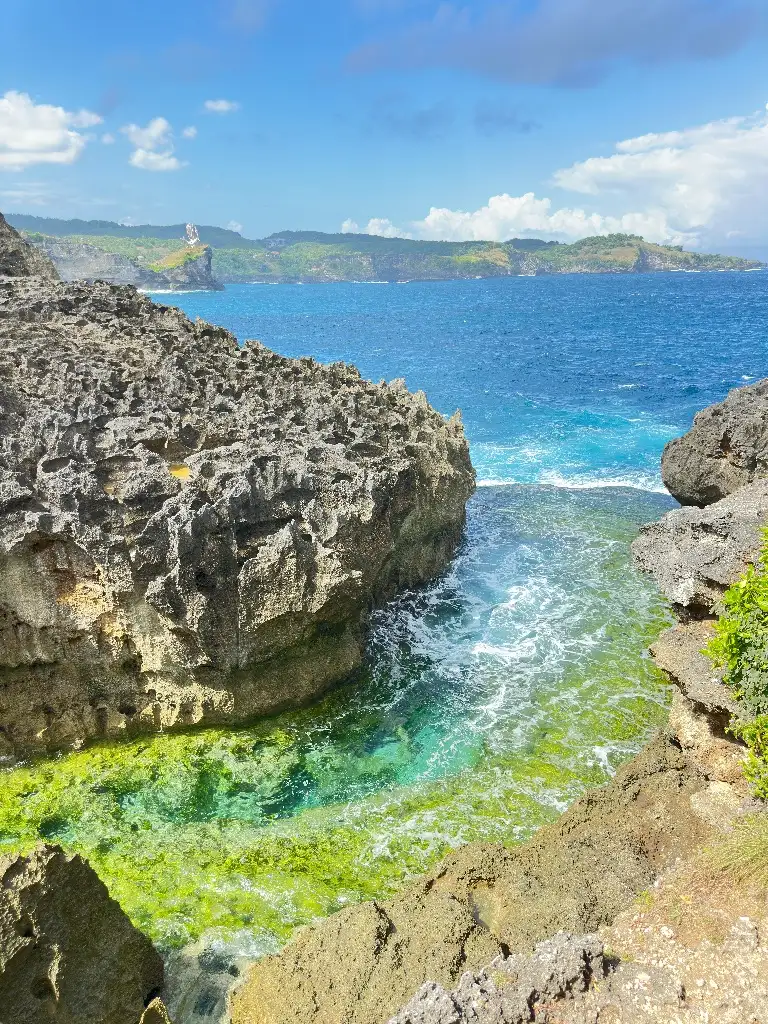
A short drive south of the busy west-coast viewpoints, the grassy clifftop simply runs out: a rough track, a break in the trees, and then — down a hidden staircase through the forest — two pools of fresh spring water sitting on the rocks just above a small white-sand cove. This is Temeling, one of the most beautiful and least developed corners of Nusa Penida, and the only place on the island where you can swim in cool fresh water while the southern ocean booms a few metres away.
We are the Penida Island Team, and Temeling is where we send travellers who ask us for “somewhere quiet”. It takes effort to reach: a long drive, a bumpy track, a ride or walk down, and a forest staircase to the coast. This guide covers all of it — how to get there, when the pools are at their best, the swell rules that keep you safe, how to behave at the little shrine, and what to bring, because out here nobody is selling anything.
📋 Temeling at a Glance
The quick facts first — everything we tell guests before they commit to the track.
| ❓ | ℹ️ Details |
|---|---|
| 📍 Location | South-west coast of Nusa Penida, around 1 hour by road from the Toyapakeh and Banah Nyuh harbours. |
| 🎫 Entry fee | No official ticket; small informal parking donations (around IDR 5,000–10,000 ≈ US$0.30–0.60) and a locally agreed ojek fee on the rough track are common. |
| ⏰ Best time | Morning in the dry season (April–October), with a low-to-mid swell. |
| ⏳ Time needed | 1.5–2 hours on site, plus around an hour of driving each way. |
| 🥾 Difficulty | Easy to moderate — a 10–15 minute walk on forest steps each way. |
| 🍽️ Facilities | None at the pools — no shops, toilets or warungs. Bring everything with you. |
Fees, schedules and conditions change frequently on Nusa Penida — treat every price here as an indication and double-check locally on the day.
🏊 The natural pools explained
Let us start with the name, because “Temeling waterfall” confuses everyone. There is no waterfall here in any real sense. What you will find are two spring-fed pools perched on a rock shelf above a white-sand beach, their edges spilling gently towards the sea. That slow, gentle spilling of water over stone is presumably what earned it the waterfall label on maps and tour lists — but nobody has ever heard a roar here, and nobody ever will.
The water itself is the whole point. Like Peguyangan’s spring, it begins as rain that sinks into the island’s limestone interior and travels through the rock until it emerges at the coast — fresh, cool and a deep greenish-blue in the shade of the cliffs. On a hot morning, slipping into that water after a dusty drive feels genuinely unreal. The ocean shimmers beyond the pool edge, and the two waters stay stubbornly separate: fresh above, salt below.
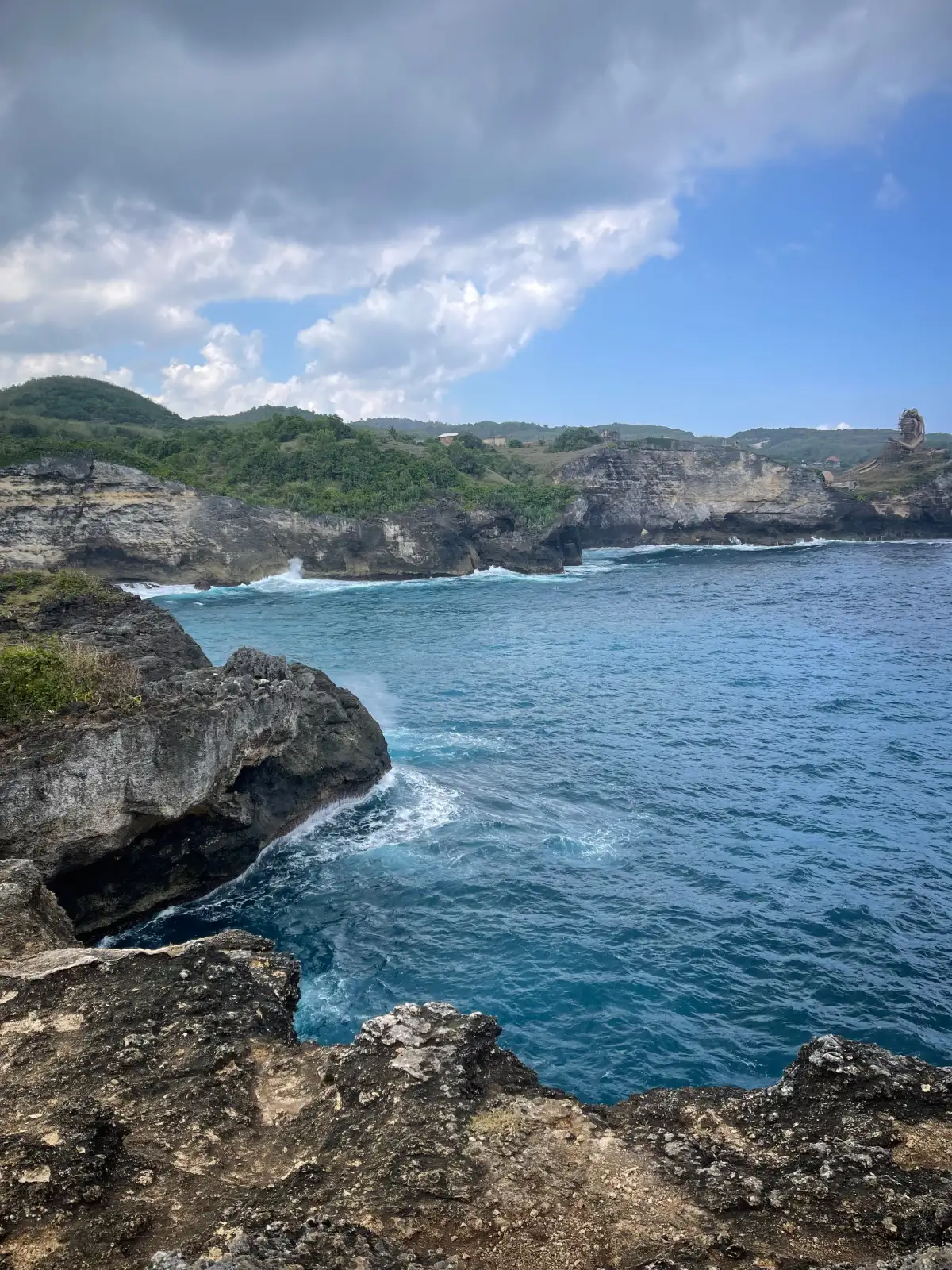
Below the pools sits the small cove that makes the setting complete: pale sand, leaning palms and water that changes colour with every shift of the swell. A small cave near the beach adds to the castaway atmosphere. The sand is lovely for walking and picnics — but the sea itself is not for swimming, a point we will return to more than once in this guide.
There is also a small shrine near the beach, and it matters. For local families the springs here are part of the island’s spiritual geography, not a backdrop for swimwear photos. Visit with that in mind and you will understand why Temeling feels so different from the island’s ticketed viewpoints: it is not managed as an attraction, it is simply a place the island has always had.
🗺️ Getting there: parking, the ojek track and the forest steps
Temeling sits on the south-west coast, around an hour’s drive from the northern harbours at Toyapakeh and Banah Nyuh. The roads narrow and roughen as you go, and the last stretch is the slowest. Confident riders can manage by scooter (rental runs around IDR 75,000–100,000 per day ≈ US$5–6); most visitors are happier in a private car with driver (around IDR 600,000–900,000 per day ≈ US$37–56). Remember that foreign visitors also pay the Bali tourism levy of IDR 150,000 (≈ US$9) once per trip via the Love Bali portal.
At the top you will find a simple parking area, and beyond it a rough dirt track winding down towards the coast. This is where the famous Temeling ojek ride happens: local motorcycle taxi riders shuttle visitors down the track for a small fee you agree on the spot. You can walk it instead when it is dry, but in the wet season it turns to soup, and the ojek riders handle it with a skill that is genuinely worth the money. Agree the price before you hop on, keep your daypack zipped, and hold on.
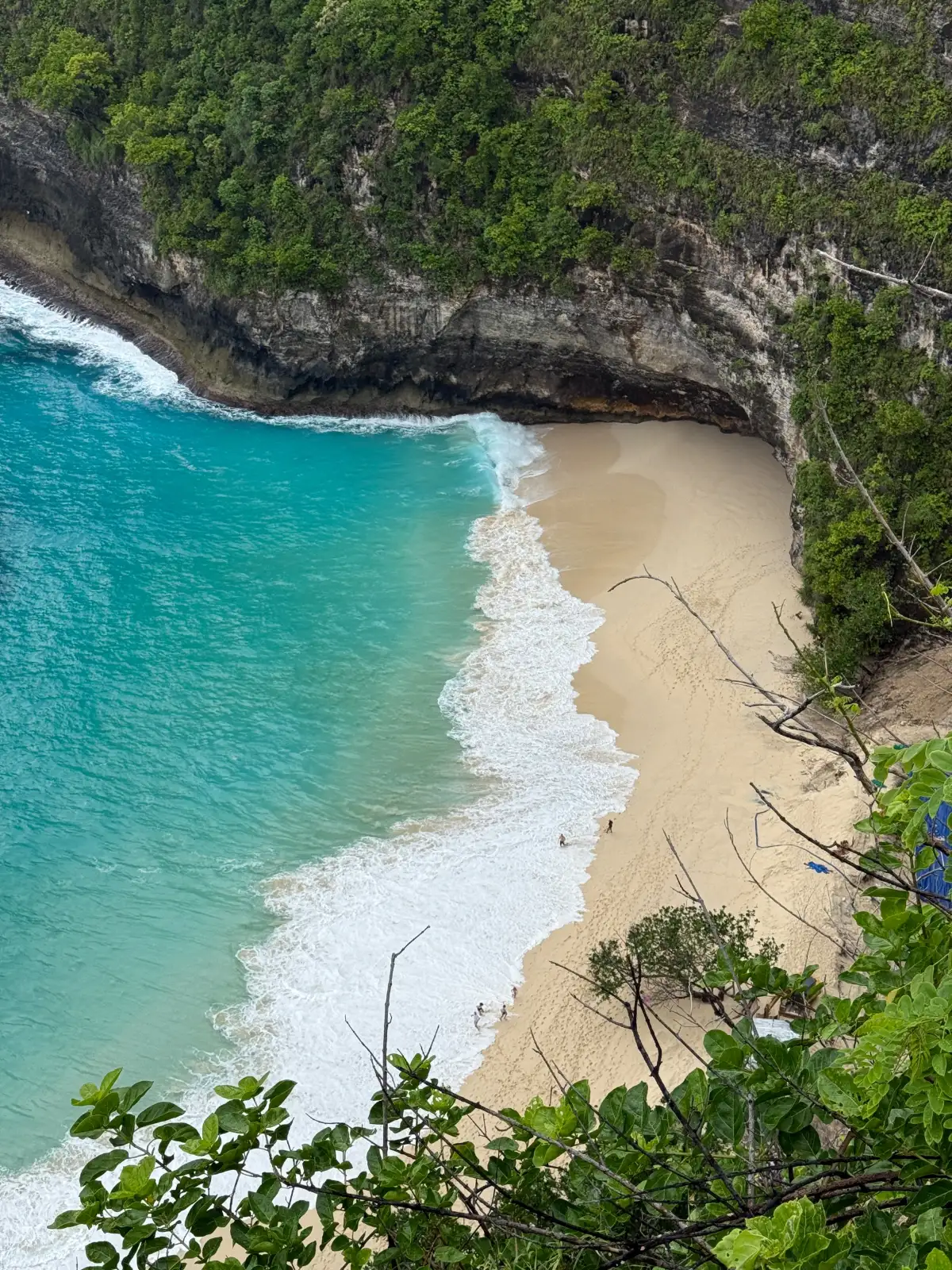
Where the track ends, the forest begins. A staircase of earth and stone steps drops through the trees for around 10–15 minutes down to the coast. It is shaded, surprisingly pretty, and occasionally slick — roots and leaf litter keep things honest underfoot. Wear shoes rather than flip-flops, and take your time; the sound of the surf below tells you the effort is nearly over.
⏰ Best time to visit and the swell rules
Temeling rewards the same discipline as everywhere on this coast: come early. Mid-morning is the sweet spot — the forest steps have dried, the pools have warmed by a degree or two, and the light over the cove is at its clearest. Arrive by 09:00 and you may share the whole place with a handful of other swimmers; by midday, boats and tours have usually found it.
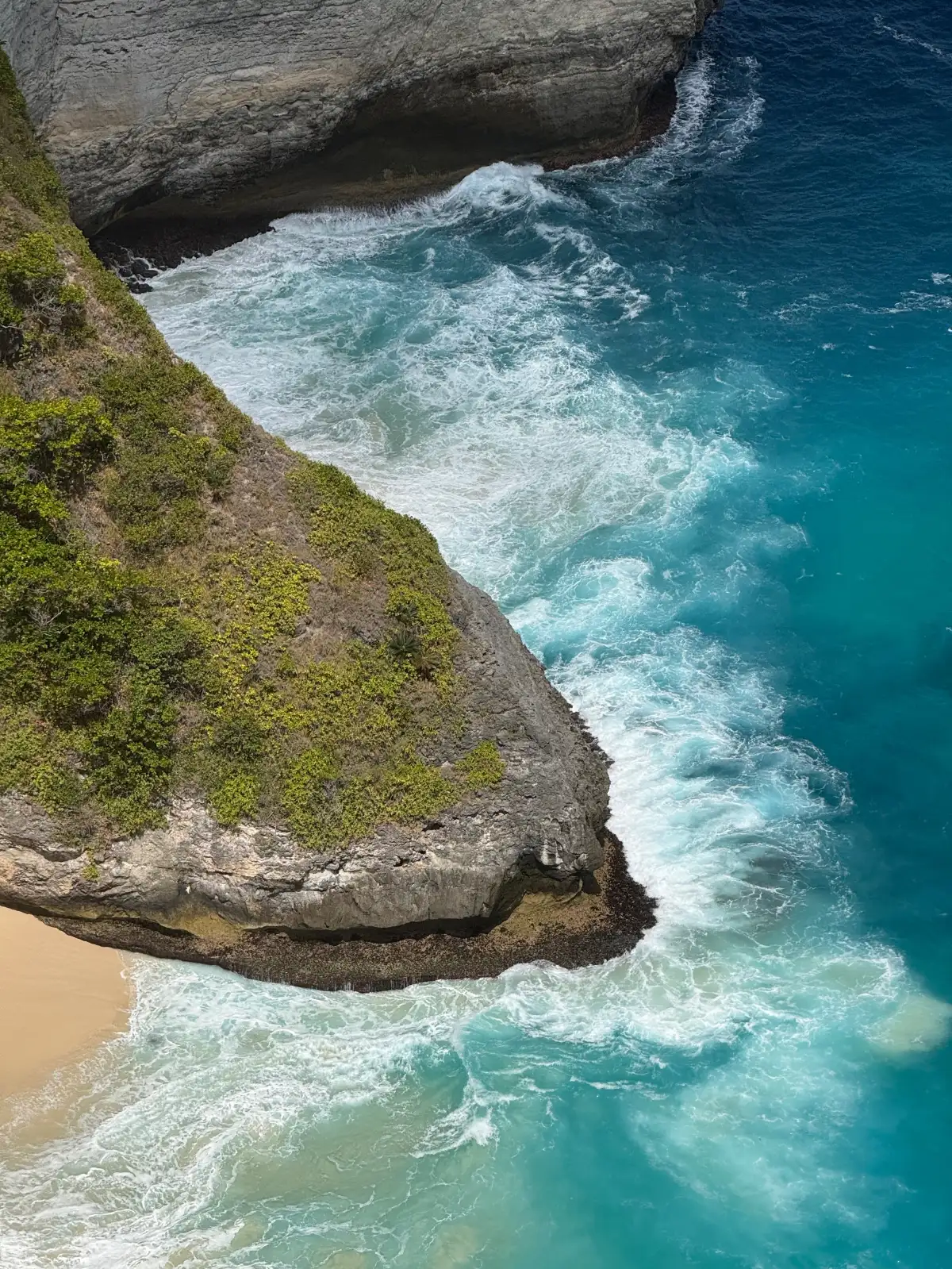
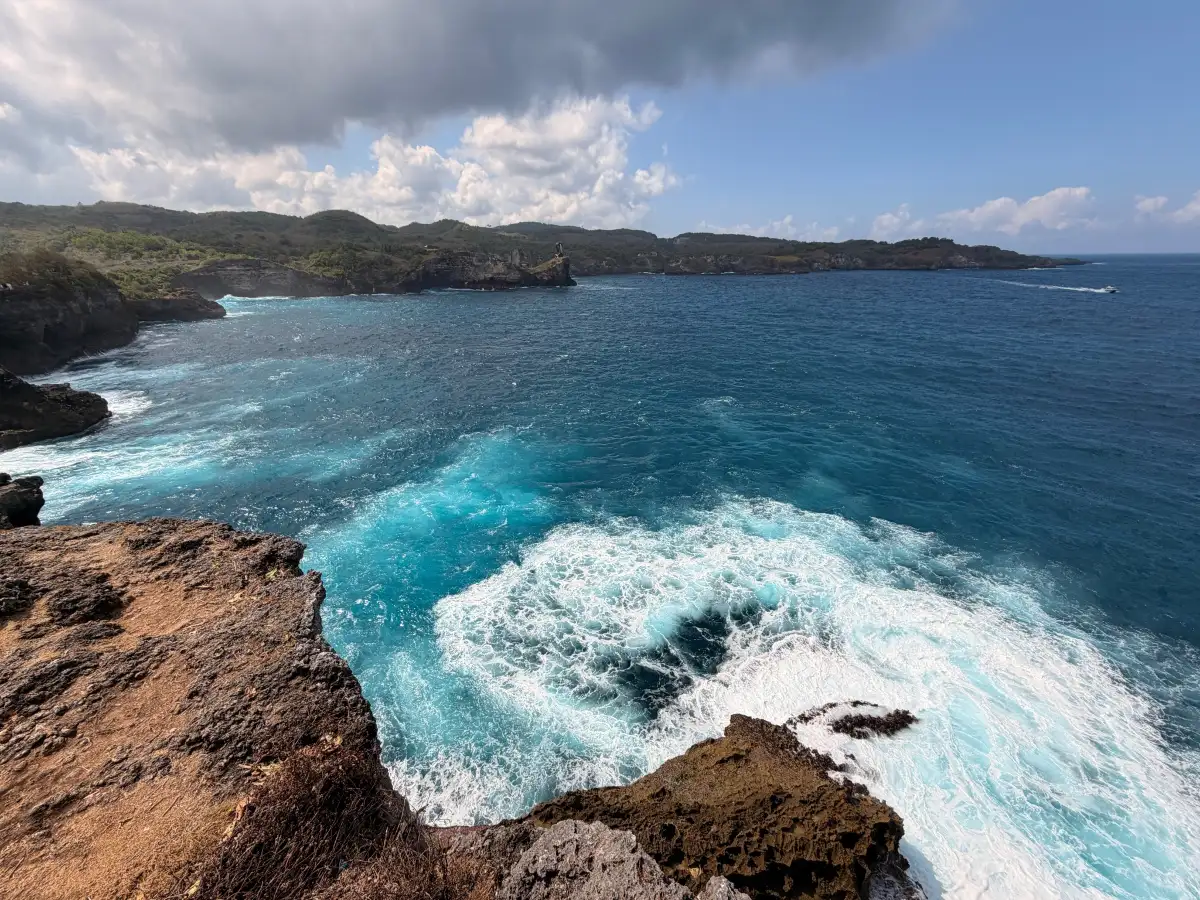
The sea state matters more here than at any other freshwater spot on the island. The cove opens directly to the open southern ocean, so its mood is set entirely by the swell. The rule we give every guest is simple: visit at low-to-mid swell. On a calm day the beach is a picnic paradise and the pools lap gently at their edges. When a big swell runs, waves push up the sand, spray reaches the rock shelf and the stones between the pools and the beach turn wet, green and treacherous.
Before you settle anywhere, stand and watch the water for ten minutes. Sets arrive in groups, and the biggest wave of your visit is often the one you have not seen yet. The pools are for swimming; the ocean is for watching. After rain, the springs tend to run fuller and the pools feel at their most alive — one more reason the greener wet-season months have their fans, provided the steps have had time to dry.
🥾 The trail and safety
The walk itself is short but not trivial. The forest steps are uneven in height, narrow in places, and damp in the shade even on dry days. There are simple handrails on the steeper sections. Anyone with average fitness manages it in minutes; anyone in slippery sandals manages it more slowly than they planned. This is a “wear the trainers” kind of trail, not a “brave the flip-flops” one.
At the bottom, the safety rules are about the ocean, not the path. Swim in the pools, not the sea. There is no lifeguard, the shorebreak on this coast can be violent even when it looks tame, and currents close to the rocks shift with the tide. Keep children within arm’s reach, never turn your back on the water while sitting on the beach, and stay off the wet rocks between the pools and the sea when any swell is running.
⚠️ Safety first: The sea in front of Temeling is not a swimming pool — it is the open southern ocean. Do not swim from the beach, do not climb on wet rocks between the pools and the waterline, and never turn your back on the surf while sitting on the sand. When a big swell runs, waves reach further up the cove than they first appear. If spray starts crossing the beach, move up to the pools and think about heading home.
The climb back up deserves respect too. The steps that took ten minutes down will take longer up in the midday heat, and the forest holds humidity the coast does not. Carry water, pause in the shade when you need it, and save the ojek fee for the ride back up the track if your legs are finished — the drivers are happy to earn it twice.
🛕 Respect the shrine
Near the beach stands a small shrine, and it is not decoration. Offerings appear, locals visit to pray, and on certain days small ceremonies come through. You are swimming in what is, quietly, someone’s sacred place — behave the way you would want guests to behave in your own family temple.
Practically, that means one thing above all: modest dress near the shrine. Swim in the pools, but cover up with a t-shirt, shorts or a sarong when you walk past the shrine or sit near it. Do not hang wet towels on its walls, do not pose on it for photos, and step around any offerings on the ground. Keep your voice at beach-chat volume rather than party volume.
None of this is enforcement for its own sake. Access to places like Temeling stays open precisely because visitors have, mostly, treated them well. A guest who dresses modestly and leaves the grass cleaner than they found it is the reason the next guest is still welcome.
🎒 What to bring (there are no shops)
Temeling has no warung, no drink stall, no toilet and no cash machine. The last reliable shops and facilities are back in the towns you drive through, so arrive self-sufficient. Our packing list for a morning here:
- 💧 Drinking water — 1.5–2 litres per person, more if you plan to stay for the day.
- 🥪 Snacks or a picnic; the beach under the palms was made for it.
- 👟 Grip shoes or sturdy sandals for the forest steps.
- 🧴 Reef-safe sunscreen and a hat — the pools have shade, the beach has little.
- 🎒 A dry bag for phones and cameras, and a towel you can stuff wet into a bag.
- 💵 Small notes for parking and the ojek riders — they cannot change large bills.
- 🗑️ A bag to carry your rubbish out; there is no collection service down here.
💡 Local tip: If yesterday brought heavy rain, give the forest steps an extra hour to dry and start a little later — the pools will be fuller from the springs and the trail safer underfoot. Phone signal fades near the coast, so download offline maps and tell your driver your plan before you walk down.
👨👩👧👦 Pairing Temeling with Peguyangan and Seganing
Temeling belongs to a cluster of south-west coast adventures that share the same roads and the same rules: go early, go dry, respect the cliffs. Planned together, they make the finest half-day of “quiet Nusa Penida” you can build.
The classic combination is Peguyangan Waterfall first: down the blue stairs at 07:30 while the steel is cool, back up before the heat, then a ten-minute drive and a short ojek ride to Temeling for the fresh-water swim your legs have earned. Both sites draw on the same hidden springs — it is a full morning spent with the island’s secret water.
If you still have appetite for a third stop, Seganing Waterfall waits near the same turn-off — a thin ribbon of spring water pouring off the cliff edge, at its best only after rain and never in big swell. Alternatively, trade it for an easy afternoon: lunch back in Ped or Toyapakeh, then the west-loop icons another day.
One honest warning: do not try to stack Temeling, Peguyangan, Seganing and Kelingking into a single day. The roads will turn your plan into a race, and this coast punishes rushing. Two cliff sites and a long swim is a full, satisfied morning by our measure.
❓ Frequently Asked Questions
Are the Temeling pools fresh or sea water?
Fresh. The pools are fed by natural springs — rain that fell on the island’s interior, filtered through limestone and returned at the coast — so the water is cool and soft even in the hottest months. The sea sits only a few steps away, but the two never really mix in the pools themselves. It is one of the strangest, loveliest sensations on Nusa Penida: freshwater swimming with the sound and smell of the ocean all around you.
How do you get down to the pools?
You drive to a parking area on the clifftop, then continue down a rough dirt track — most visitors take a short ojek (motorcycle taxi) ride for a small locally agreed fee, though you can walk it when dry. From the end of the track, a forest staircase drops for around 10–15 minutes to the pools and beach. Wear grip shoes, agree ojek prices before riding, and allow more time for the climb back up in the heat.
Is it safe to swim at Temeling?
In the pools, yes — with normal care and children supervised. In the sea, no: this coast has no lifeguard, and the shorebreak and currents near the rocks are genuinely dangerous, especially on a rising swell. Visit at low-to-mid swell, watch the water for ten minutes before settling in, and stay off wet rocks between the pools and the beach. If waves start pushing up the sand, it is time to dry off and head up.
How long is the walk to the pools?
The forest walk is short — around 10–15 minutes each way on earth-and-stone steps — but it is steep enough in places to raise your heart rate, and slippery after rain. Most visitors spend 1.5–2 hours on site between swimming, picnicking and drying off, plus the ojek ride and the drive. Plan a relaxed half-morning rather than a quick stop, and you will enjoy it as it deserves.
Are there facilities at Temeling?
None at the pools themselves — no shops, no toilets, no warungs and no rubbish collection. Bring all your water and food from town, carry small cash notes for parking and the ojek riders, and take every piece of rubbish back up with you. The nearest proper facilities are in the towns you pass on the drive, so stop there first; arriving self-sufficient is part of the Temeling experience.
🏁 Final thoughts
Temeling is the Nusa Penida that existed before the viewpoints went viral: a spring, a forest, a cove, and water in two colours. It asks more of you than the famous cliffs — a long drive, a bumpy track, a staircase — and it gives back something rarer than any panorama: a swim you will still be talking about at dinner.
Go early, check the swell, cover up near the shrine and carry out everything you carry in. Then keep the day rolling with our guides to Peguyangan, Seganing and Suwehan below — the quiet corners of this island are the ones our team loves most.
🔗 Related Nusa Penida Guides
- 💧 Peguyangan Waterfall: The Blue Stairs Guide — the sacred staircase down the south-west cliff, step by step.
- 🧗 Seganing Waterfall: The Hidden Cliff Fall Guide — bamboo ladders, swell rules and photo tips.
- 🏖️ Suwehan Beach: The Hidden White-Sand Cove — 400 steps to the wildest beach on the east coast.